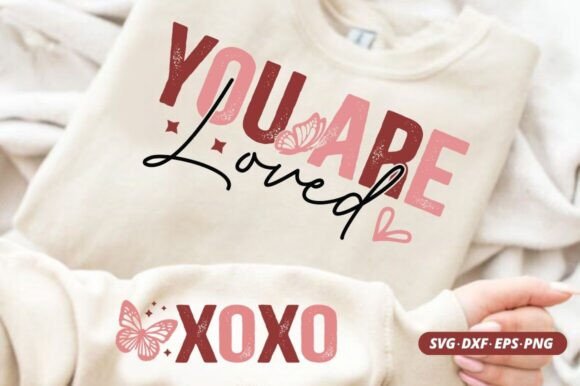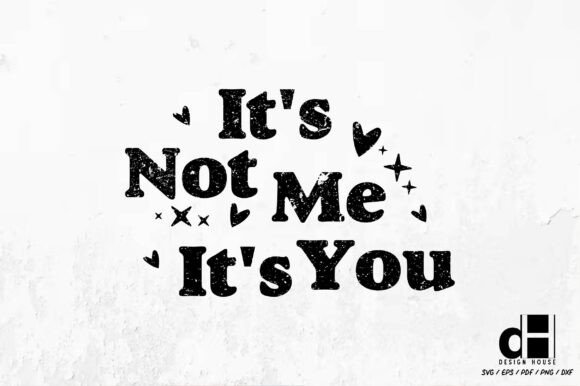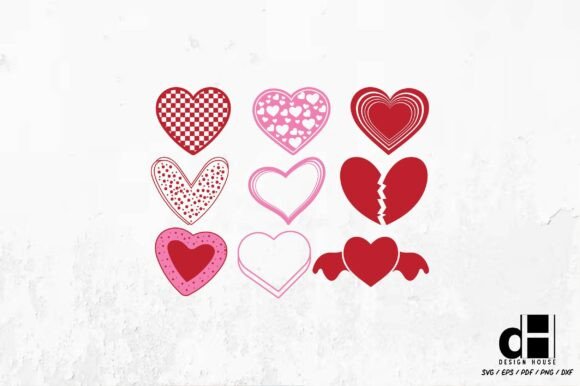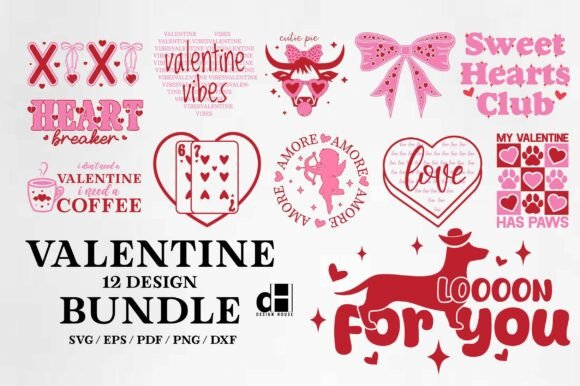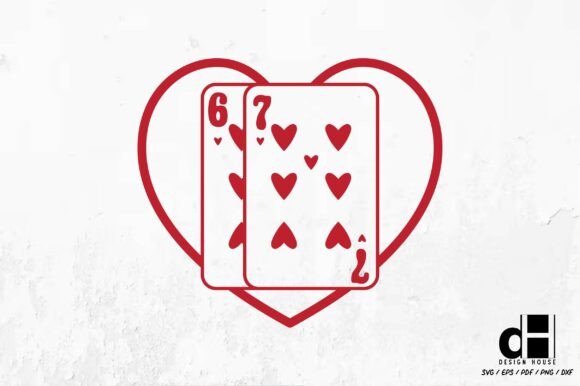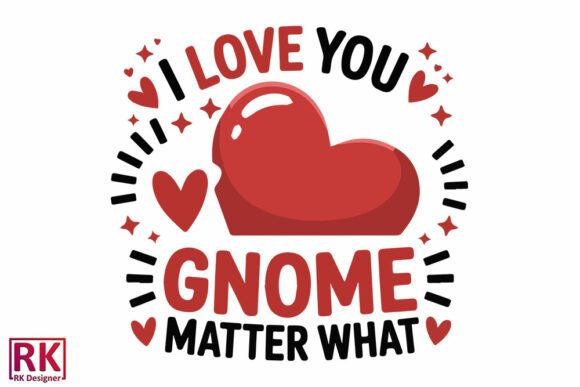
Valentine’s Day Clipart SVG
First Impressions: Sweet, Simple, and Stitch-Ready
Opening the Valentine’s Day Clipart SVG bundle feels like flipping through a well-loved sketchbook of affection—soft curves, balanced proportions, and that unmistakable handmade warmth. These aren’t over-rendered digital illustrations; they’re clean, intentional graphics built for translation into thread. The hearts, arrows, and love-themed motifs carry gentle personality—not cutesy to the point of fragility, not minimalist to the point of sterility. That balance is rare. As an embroidery designer who’s stitched hundreds of holiday collections, I immediately saw how this set would behave on fabric: friendly at 3 inches, legible at 1.5 inches, and still charming when scaled down for baby onesies or embroidered patches.
A Real Project Test: Embroidering a Linen Tote Bag for a Local Boutique
Last week, I used three elements from the Valentine’s Day Clipart SVG bundle to create a limited-run embroidered tote for a neighborhood gift shop—think natural linen, medium-weight, slightly textured. I chose a layered heart motif with subtle script “love” beneath it, sized to fit comfortably in a 4×4 hoop. What stood out wasn’t just how fast the design loaded and stitched—it was how *cohesive* the finished piece felt. The line weights held up across satin-stitched edges and delicate running-stitch accents. No gaps. No thread nests. No need to re-hoop mid-design. That tells me the vector paths were drawn with machine embroidery logic in mind—not just screen appeal.
Where This Bundle Shines (and Where It Asks for Care)
The Valentine’s Day Clipart SVG works beautifully for:
- Custom apparel: Sweatshirt embroidery gains soft contrast without heaviness—ideal for couples’ matching sets or teacher appreciation gifts.
- Baby embroidery: Tiny hearts and simplified motifs translate cleanly onto onesies and burp cloths, especially when paired with lightweight stabilizer and low-density fill stitch.
- Embroidered patches: Clean outer contours mean crisp edge finishes—no fraying or fuzzy outlines after cutting and sealing.
- Holiday gifts & boutique branding: The romantic but restrained aesthetic reads as thoughtful, not seasonal gimmickry—perfect for wedding favors, nursery decor, or Valentine’s-themed kitchen towels.
That said, proceed thoughtfully with:
- Stretchy fabrics: Tight curves and small interior details (like tiny arrowheads or heart center dots) can distort without proper cutaway stabilizer and reduced top tension.
- Dark or textured fabrics: Some lighter-weight line elements may fade visually—test thread color contrast early, especially for satin-stitched outlines meant to pop.
- Curved surfaces: Caps and beanies require careful placement and possibly minor digitizing tweaks—this bundle gives you strong base art, but don’t assume it auto-adjusts for 3D surfaces.
- Frequent-wash items: Dense fill areas hold up well, but avoid stacking multiple small decorative stitches too tightly—stitch density matters more than visual busyness.
What It Adds to Your Handmade Product—and What It Doesn’t Promise
This isn’t a “plug-and-play luxury logo.” It’s honest, approachable design assets—crafted for makers who value clarity over clutter. When stitched onto a tea towel or pillow cover, the Valentine’s Day Clipart SVG elevates perceived value because it looks intentionally designed, not clipart-copied. Customers notice that difference: it reads as personal, not mass-produced. For Etsy sellers and small shop owners, that builds trust. A buyer scrolling past dozens of generic heart designs will pause longer on one that balances charm with craft-level execution.
It also supports brand consistency—if your shop leans into warm, modern handmade vibes (think muted palettes, natural fibers, quiet typography), this bundle fits seamlessly. It won’t clash with your existing embroidery project library or force you into tonal whiplash.
Practical Designer Notes Before You Stitch
Before sending the Valentine’s Day Clipart SVG to your machine—or listing a finished product online—take these steps:
- Test on scrap fabric that matches your final project’s weight and texture. Linen behaves differently than cotton poplin, which behaves differently than fleece.
- Check thread color contrast in both daylight and indoor lighting—what reads clearly on screen may disappear on dark denim or heather gray.
- Review stitch density, especially in layered motifs. If you’re planning commercial embroidery runs, verify density stays within your machine’s comfort zone and your fabric’s tolerance.
- Confirm hoop size compatibility. While most motifs scale well, double-check any multi-part designs (like hearts with floating text) for alignment integrity at your target size.
- Inspect small details—tiny loops, fine stems, or narrow connecting lines—under magnification. If they’re under 0.5mm in vector width, they may not survive conversion to a stable embroidery file.
- Test black-and-white mockups first. If it holds character in monochrome, it’ll hold up across fabric colors and thread palettes.
- Verify licensing terms before selling finished embroidered goods or reselling digital files. This bundle is listed under Crafts and Graphics—confirm whether it permits commercial embroidery use or requires extended licensing.
Final Thought: Design That Serves the Stitch, Not Just the Screen
Many digital embroidery files look gorgeous in preview mode but unravel under needle pressure—thin lines vanish, curves buckle, spacing collapses. The Valentine’s Day Clipart SVG avoids those pitfalls by honoring how thread actually lands on cloth. It’s not flashy. It doesn’t try to be everything. But for embroiderers building real products—personalized gifts, boutique merchandise, custom apparel, or heartfelt holiday pieces—it delivers reliable, human-centered design assets. That’s the kind of quiet professionalism that keeps customers coming back, not just for Valentine’s Day—but all year long.